The ACEA standard — how to read oil markings?
The ACEA standard (A3/B4, C3 and others) tells you more than viscosity alone. We explain how to read ACEA classes and why they matter when choosing oil.

The ACEA standard — how to read oil markings?
5 min readThe ACEA standard is a European specification that describes the quality and intended use of engine oil. Together with viscosity and manufacturer approvals, it determines the right choice.
What do the ACEA classes mean?
- A/B — oils for petrol and diesel passenger-car engines
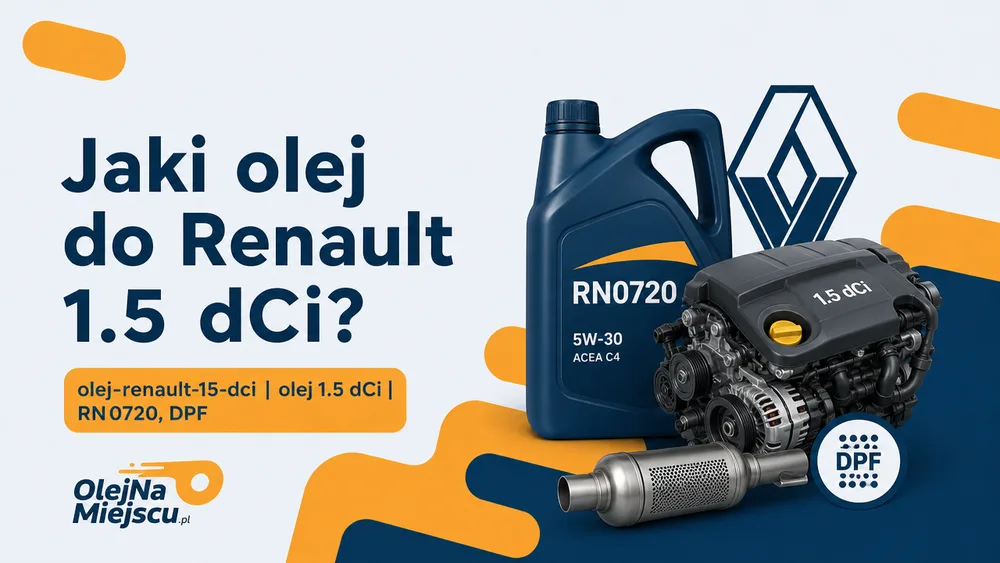
- C — Low/Mid SAPS oils, compatible with DPF filters
- E — oils for heavy-duty (truck) engines
- The number (e.g. A3/B4, C3) specifies the level of requirements
ACEA and the diesel particulate filter
Cars with a DPF usually require class C oils (e.g. C2, C3) with a reduced ash content. Pouring in the wrong class can clog the filter over time.
But the ACEA standard isn’t everything — the approvals of specific car manufacturers are often just as important. See why.
During a mobile oil change we’ll make sure the oil meets the right ACEA standard for your car.
Related services
Need an oil change?
We’ll come to your address and handle the rest. No queues, no garage.