What oil for an Audi 1.8/2.0 TFSI? Standards and oil consumption
What oil for an Audi 1.8/2.0 TFSI? Check the VW 502.00/504.00 standards, viscosities, and why early EA888 engines are known for burning oil.
What oil for an Audi 1.8/2.0 TFSI? Standards and oil consumption
7 min readOil for an Audi 1.8/2.0 TFSI is a choice worth thinking through — especially in older EA888 units known for burning oil. This turbocharged VAG-group petrol engine requires oil with the right VW standard and regular level checks. We explain which oil to choose and how to limit its consumption.
TFSI (EA888) — characteristics
The 1.8/2.0 TFSI family are turbocharged, direct-injection engines fitted in many Audis (and related VAG models). They deliver good performance, but some generations — especially the earlier EA888 — are known for elevated oil consumption, linked among other things to the piston-ring design.
Recommended VW standards
The most important thing is the VW approval appropriate for the given year and engine, not the oil brand itself. In the TFSI you most often find:
- VW 502.00 — in many older TFSI variants
- VW 504.00 — a newer, universal standard for VAG petrol engines
- Viscosity most often 5W30 or 5W40 (per specification)
- Best selected by VIN or engine code
5W30 or 5W40 for a TFSI?
It depends on the standard required by the manufacturer. Some TFSIs use 5W30 (e.g. the 504.00 standard), others 5W40 (e.g. 502.00). In older engines that consume oil, a slightly thicker 5W40 is sometimes used — but only within the permitted standards. Don’t change the class on your own.
Oil consumption in a TFSI — how to limit it
If your TFSI consumes oil, a few habits help keep the situation under control:
- Check the oil level regularly — don’t wait for the warning light
- Use only oil with the right VW standard and viscosity
- Don’t stretch the interval — fresh oil limits deposits
- Avoid driving on a very low oil level
- React to bluish smoke from the exhaust
Moderate oil consumption in turbocharged petrol engines is sometimes allowed, but a rapid rise is a signal for diagnostics.
What else to change at the same time
- Oil filter — always with the oil
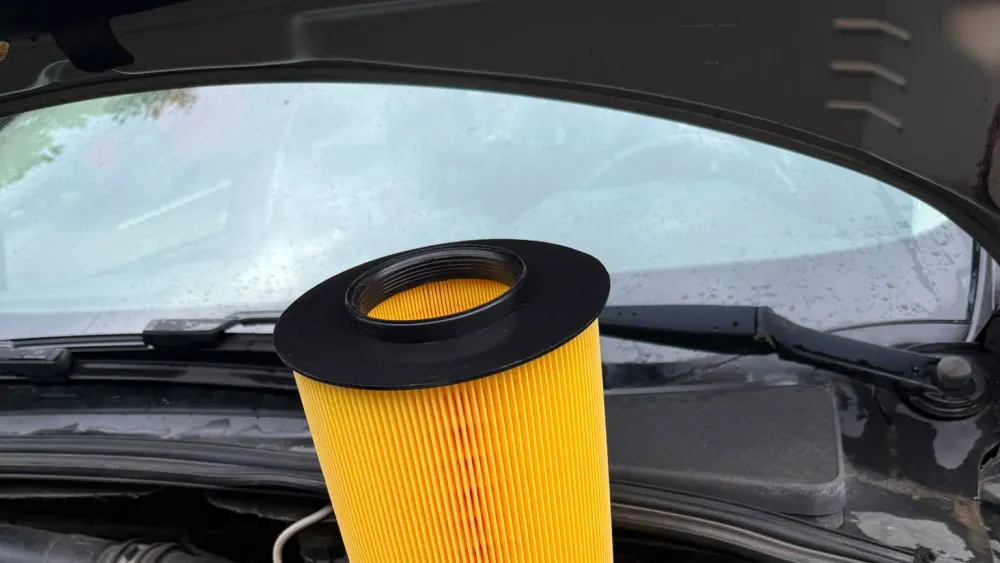
- Air filter — important for a turbocharged engine
- Cabin filter — comfort and blower efficiency
A full set during a single visit means saved time and the certainty of comprehensive service.
The change interval in the 1.8/2.0 TFSI
For a turbocharged petrol engine it’s sensible to shorten the change to 10,000–15,000 km, especially with dynamic or city driving. A shorter interval better protects the turbo and limits the deposits that encourage oil consumption.
In the TFSI the right VW standard, a timely change and level checks are the best defence against the effects of oil consumption.
Frequently asked questions about oil for the TFSI
What standard for a 2.0 TFSI?
Most often VW 502.00 or 504.00, depending on the year and engine. Confirm the required standard in the manual or select the oil by VIN.
Will a thicker oil reduce oil consumption?
Sometimes a slightly thicker oil (within the permitted standards) reduces the loss, but it doesn’t remove the cause. With high consumption it’s better to diagnose the engine than to mask the problem by choosing a viscosity.
How often to change the oil in a TFSI?
In practice every 10,000–15,000 km, and with dynamic driving closer to the lower limit.
Where the EA888’s reputation for “burning oil” came from
Oil consumption in TFSI engines is a topic that has grown its own legend — and like every legend, it’s half true. Earlier generations of the EA888 family really were known for an elevated appetite for oil. The causes lay mainly in the piston-ring design and in a tendency to form deposits that gradually immobilised those rings.
The mechanism matters more here than the anecdote. The piston rings are meant to scrape oil off the cylinder walls. When deposits from overheated, worn oil build up in the ring grooves, the rings lose freedom of movement and stop scraping effectively. Oil reaches the combustion chamber and is simply burned — and the driver sees this as the need for frequent top-ups.
The key conclusion is an optimistic one: this isn’t a life sentence. Fresh oil of the right approval markedly slows deposit formation, and a regular change prevents them from baking on. Many TFSI examples serviced on short intervals have no problem with this at all. Neglected oil doesn’t merely fail to help — it creates the problem.
A TFSI doesn’t burn oil because “that’s how it is”. It burns oil the more willingly, the longer it runs on oil that should have been changed long ago.
The timing chain and tensioner — the second quiet victim
Earlier TFSI versions drove the timing gear with a chain that could stretch on neglected oil. The tensioner, which is meant to compensate for that stretch, is powered by oil pressure — so dirty, aged oil hits it twice over: it worsens the chain’s lubrication and weakens the tensioner’s operation.
The symptom is characteristic and easy to overlook: a short metallic rattle on a cold start that gets longer from week to week. Many drivers get used to it and write it off as “the engine’s character”. In reality it’s a signal worth acting on — because a chain jumping on a warm engine ends with the valves meeting the pistons.
How to run a TFSI to limit oil consumption
- Check the oil level every few refuels, not once per service
- Keep a litre of oil with the right VW standard in the boot
- Shorten the interval to 10,000–15,000 km, especially with dynamic driving
- Don’t load the engine when cold — deposits form fastest with cold oil
- React to bluish smoke from the exhaust and to a growing timing rattle
It’s also worth telling two situations apart, because confusing them leads to bad decisions. Moderate, steady oil consumption is sometimes allowed by the manufacturer and doesn’t mean a fault. Consumption growing from season to season is a completely different story — it’s information that something in the engine is changing, and a signal for diagnostics, not for buying bigger bottles of oil.
Will a thicker oil solve oil burning in a TFSI?
It may sometimes reduce the loss, but it won’t remove the cause — and it can do harm along the way. The engine was designed for a specific viscosity and VW approval; thicker oil reaches the timing tensioner and the turbocharger worse. Masking a symptom with thicker oil is like treating a fever by switching off the thermometer.
I’m buying a used Audi with a TFSI — what should I check first?
Ask directly about oil consumption and whether the timing chain has already been replaced — those two answers tell you more about this car than the mileage does. Ask for the change records and check their frequency. Listen to the engine on a cold start. And whatever happens: change the oil and filter right after purchase, because an unknown history is an unknown risk.
Direct injection and deposits on the intake valves
In TFSI engines the fuel is injected directly into the combustion chamber rather than onto the intake valves. That’s excellent for efficiency and performance, but it has one side effect: the intake valves are no longer washed by fuel, which in older designs acted as a cleaner.
What reaches the valves instead are the fumes from the crankcase ventilation system, and those carry droplets of oil. When the oil is worn or overheated, it more easily forms deposits that bake onto the hot valves. The carbon layer builds slowly and, after thousands of kilometres, starts to disturb the airflow.
- Rough engine running, especially at idle
- A drop in power and a poorer response to the throttle
- Higher fuel consumption with no obvious cause
- Harder starting when cold
The phenomenon can’t be prevented entirely — it’s a feature of the design, not a fault. But it can be slowed markedly: with fresh oil of the right VW approval, a shorter interval, and by avoiding a diet made up solely of short city trips, on which the engine rarely reaches full operating temperature.
The cleaner the oil, the less carbon reaches the valves along with the crankcase fumes. That’s the only lever the driver really has.
We’ll select the oil for your TFSI with call-out
During a mobile oil change we’ll select a product with the right VW standard for your 1.8/2.0 TFSI, change the filter and check the oil level — all at the address given.
See the price list or book a time online — we’ll come with the selected oil and filter for your Audi.
Related services
Need an oil change?
We’ll come to your address or pick up your car and handle the rest. No queues.