What does a good oil-change package include?
A good oil change isn’t just draining and pouring. Find out what a complete package should cover to really take care of the engine.
What does a good oil-change package include?
7 min readAn oil change is often treated as a simple “drain and pour” task. Yet a well-done service is a set of elements that together really protect the engine. Here’s what a proper package should cover — and why each of these points matters.
The difference between a “slapdash” and a solid change lies not in the oil itself but in the details that are easy to skip: the right washer, the correct plug torque, checking the level once warm, or legal waste disposal. It’s these that decide whether the service really protects the engine or just ticks off the line “oil change”. So it’s worth knowing exactly what goes into a complete package, to compare offers with your eyes open.
The right oil and filter
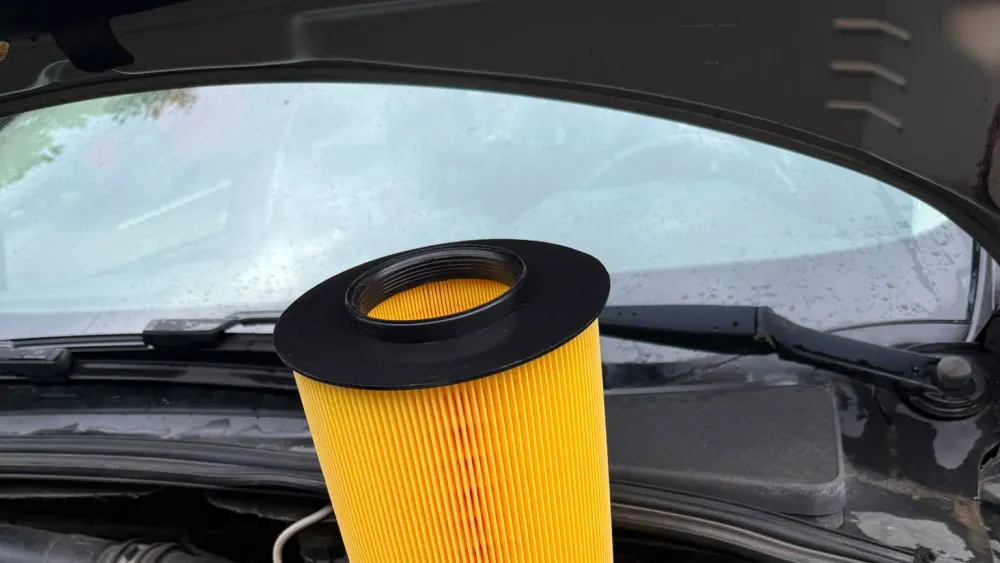
The basis is oil compliant with the manufacturer’s approval and a new oil filter changed together with it. The filter is replaced at every change — saving on it is an illusory gain that quickly backfires on the cleanliness of the fresh oil.
It’s worth stressing why the filter matters so much. It collects metal particles, soot and other contaminants circulating in the oil. Leaving the old filter with fresh oil means the new oil mixes from the very first kilometres with the dirt accumulated over the whole previous interval — and with an overfilled filter the bypass valve opens and contaminants go straight into the engine. That’s why filter and oil are an inseparable pair.
The oil selection isn’t a matter of chance either. The engine manufacturer sets the required specification — the standard (e.g. ACEA, API), the approval and the viscosity. Pouring in a “universal” oil with the wrong parameters can worsen lubrication, and in modern units with a particulate filter can actually harm the exhaust after-treatment system. That’s why in a good package the oil is chosen by VIN or the car’s data, not “whatever happened to be on the shelf”.
A new plug washer
An often-skipped detail: the single-use washer of the drain plug. Reusing the old one is the most common cause of a leak right after a change.
It’s a seemingly trivial part, yet it can cause a lot of trouble. A worn, crushed washer no longer seals properly, so oil slowly seeps from the plug. The result is not just a stain under the car but also a gradual loss of oil which, without level checks, can lead to a dangerous shortage. Replacing the washer costs pennies and saves a lot of nerves, protecting against a slow, hard-to-spot leak.
The correct plug torque
The drain plug must be tightened with the right force — neither too little nor too much. Too loose a plug risks a leak or, in the extreme, falling out and losing all the oil on the road, which can end in engine seizure. Overtightening, in turn, can damage the thread in the sump, and repairing that is costly. A professional change includes tightening to the correct torque, in line with the manufacturer’s recommendations.
Checking the level and inspecting for leaks
After filling with fresh oil and starting the engine, you have to wait for the oil to drain into the sump and check the level with the dipstick. Too low a level means worse lubrication, too high — a risk of foaming and damaging the seals. At the same time you check whether the drain plug and filter aren’t leaking. This short check at the end of the service catches any mistakes before they turn into a problem on the road.
Checks and small tasks — a checklist
Bringing it all together, a complete oil-change package should cover the following points — treat this list as a checklist worth comparing against every offer:
- Oil selected to the car’s specification, not “whatever was there”
- A new oil filter and a new plug washer
- Tightening the plug to the correct torque
- Checking the level once warm and inspecting for leaks
- Resetting the service indicator if the car allows it
- Taking away and disposing of the used oil and filter
- A record of the completed service for the car’s history
Resetting the service reminder and legal waste disposal are things that are easy to forget when changing the oil yourself.
When engine flushing is worth considering
Engine flushing is sometimes offered as an add-on to the package, but it isn’t always needed. With a regularly serviced car, fresh oil with detergents keeps the inside clean on its own and flushing serves no purpose. It’s considered rather for units with an unknown history or visible sludge — and then it’s a conscious decision, not routine.
Importantly, aggressive flushing of a badly neglected engine can actually do harm, dislodging deposits that clog the oil channels. That’s why a good service doesn’t “push” flushing on everyone but assesses the engine’s condition and offers it only where it genuinely makes sense. It’s a good litmus test of a workshop’s honesty.
Resetting the service indicator — why do it
In most newer cars, after an oil change the service reminder counter needs resetting. It counts down the kilometres or time to the next change and reminds you of it with a message on the dashboard. Without a reset the indicator keeps showing “overdue”, which not only annoys but also makes it harder to tell when the next change is really approaching — it’s then easy to miss the right moment for the next service.
In some cars the reset is done with a simple button combination, in others a diagnostic tester is needed. A good change package includes resetting the indicator where possible, so you drive off with a “clean” dashboard and the interval to the next change correctly set.
Legal disposal of the used oil
Used engine oil is hazardous waste — a single litre can contaminate a huge amount of water and soil. It mustn’t be poured into the drain, onto the ground, or thrown in with ordinary rubbish, let alone burned in a home stove. The law imposes an obligation to hand such oil over for proper disposal, and when changing the oil yourself the responsibility for the waste rests on the driver.
As part of the full package we take away the used oil and old filter and then pass them on for legal disposal. That way you don’t have to look for a collection point or worry about formalities — it’s all on our side and included in the service. It’s one of those things easy to forget when changing the oil yourself, which with a call-out service simply happens “in the background”.
What to avoid in a “cheap” change
Not every “oil change for X” offer is the same. It’s worth knowing where the false economy is usually made, because it’s often exactly those skipped elements that harm the engine most in the longer run.
- A “universal” oil instead of one compliant with your car’s approval
- A filter changed every second change, “to save money”
- Leaving the old, crushed plug washer in place
- No level check after the engine has warmed up
- Skipping the service reset and waste disposal
Each of these shortcuts lowers the cost of the service, but at the expense of real engine protection. So when comparing offers it’s worth looking not just at the price but at what exactly it includes. The cheapest change can be the most expensive if a skipped detail ends in a leak, an oil shortage or a costly sump-thread repair.
A good oil-change package is oil with an approval, a filter, a new washer, checks and disposal — not just the contents of the canister.
Frequently asked questions about the oil-change package
Does the oil filter really have to be changed every time?
Yes. The filter collects contaminants throughout the interval and by the next change is already saturated. Leaving it contaminates the fresh oil from the first kilometres, and in the extreme the bypass valve opens and oil circulates without filtration. The cost of a filter is small against that risk.
Is topping up the oil the same as a change?
No. Topping up only makes up the loss between changes and doesn’t refresh the tired oil or replace the filter. It’s a stopgap when the level has dropped, not a substitute for a full change. A regular oil change with the filter can’t be replaced by topping up alone — the old oil loses its properties regardless of how much of it is in the engine.
With a call-out change, do I get a service record?
Yes. A documented oil change is an important part of the car’s service history, which raises its value at sale. That’s why a full change should end with a record of the completed service along with information on the oil used and the mileage. A used-car buyer more readily trusts a car with a clear, regular service history.
Is it worth paying extra for a full set of filters at the same time?
Often yes. If the air or cabin filter is due for replacement, combining these tasks with the oil change saves time and one call-out. It’s a convenient solution especially with a mobile service — we change the full set of filters “along the way”, without a separate visit and without arranging an extra appointment.
How long should a proper oil change take?
A complete change with all the tasks is usually about 30–45 minutes. Haste can be a sign that something was skipped — for example the level check after warm-up or tightening the plug to the correct torque. A good service doesn’t have to take hours, but it also shouldn’t be “lightning fast” at the expense of care, because it’s precisely in the thoroughness that the difference between a full package and a plain “drain and pour” lies.
One call-out, a full set of tasks
In our FULL PACKAGE we carry out the whole thing at your address: oil selection, a change with the filter, checks and disposal. Check the scope and prices in the price list.
The advantage of this solution is that you don’t have to organise anything or go anywhere. We come to your home, office or car park with oil selected for your car, a full set of the necessary parts and the equipment, carry out the full package on the spot, and take the used oil away for disposal. You get a well-cared-for engine and a record of the service, without losing time on the trip to a workshop and waiting in a queue.
Related services
Need an oil change?
We’ll come to your address or pick up your car and handle the rest. No queues.