

Campervan inspections
A campervan should be checked differently from a car before a trip — what matters isn’t only the chassis, but also the electrics and the sealing of the build. We inspect before the season, before a long trip and before you buy.
Check availability
Enter your postal code and check
whether we come to your address.
Book a campervan inspection — Siechnice, Wrocław and area
Tell us when you’re planning to travel and what campervan you have. After the inspection you get a concrete report: what’s fine, what to watch and what to fix before setting off. Pre-season slots fill up quickly.
We look after campervans and vans at our workshop at ul. Zielona 40 in Siechnice and with call-out across: Wrocław, Bielany Wrocławskie, Długołęka, Kiełczów, Smolec, Radwanice, Żerniki Wrocławskie, Żórawina, Miękinia, Kąty Wrocławskie, Kobierzyce, Iwiny, Kamieniec Wrocławski and the surrounding area.
Worth knowing
Campervan inspections
What we check, when to do it and what to watch for when buying?
In a campervan a breakdown costs twice: once at the workshop, and again as a ruined holiday somewhere you know nobody and nobody has the parts. That makes a pre-trip inspection one of the few things in campervanning that almost always pays for itself.
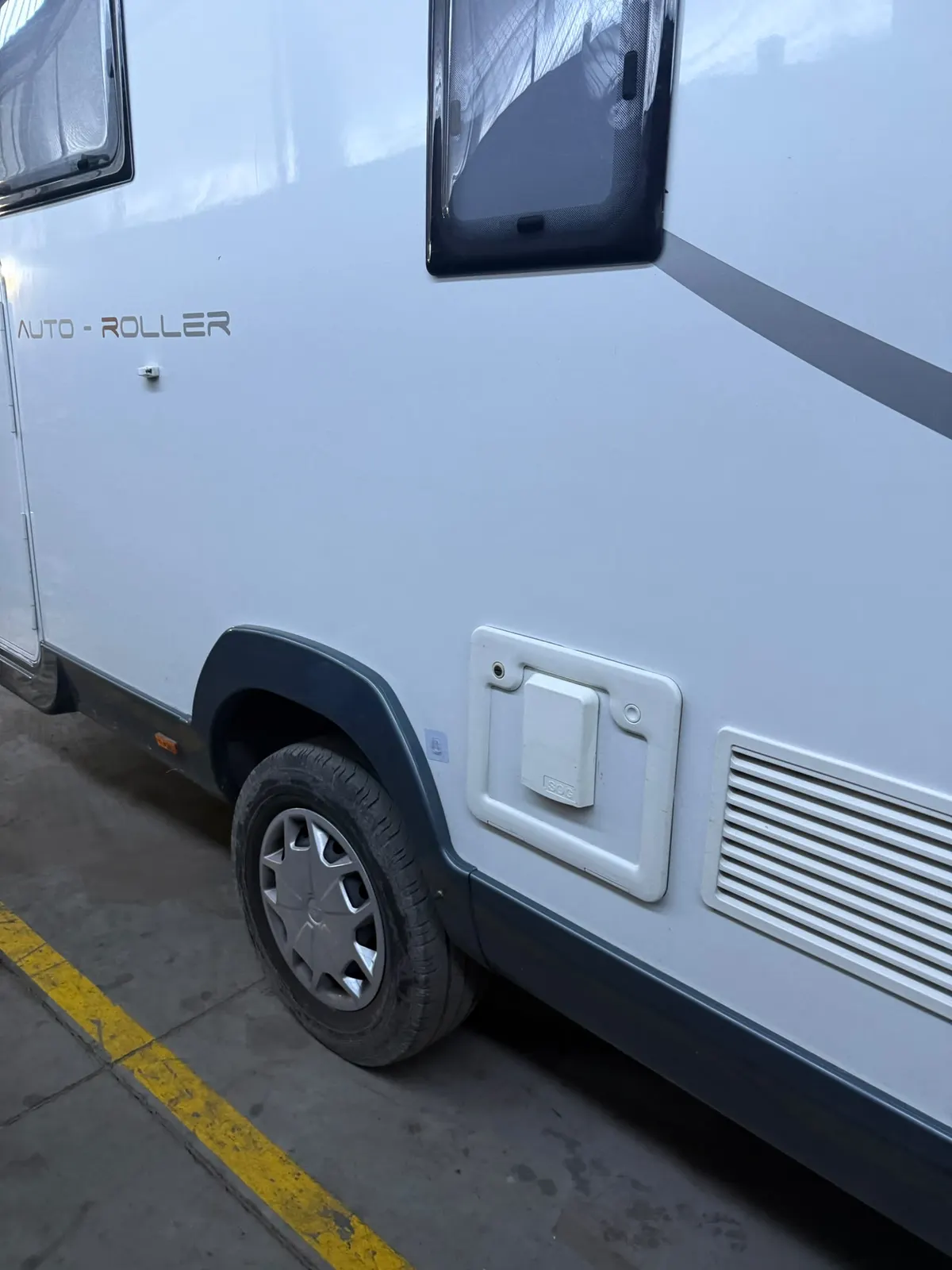
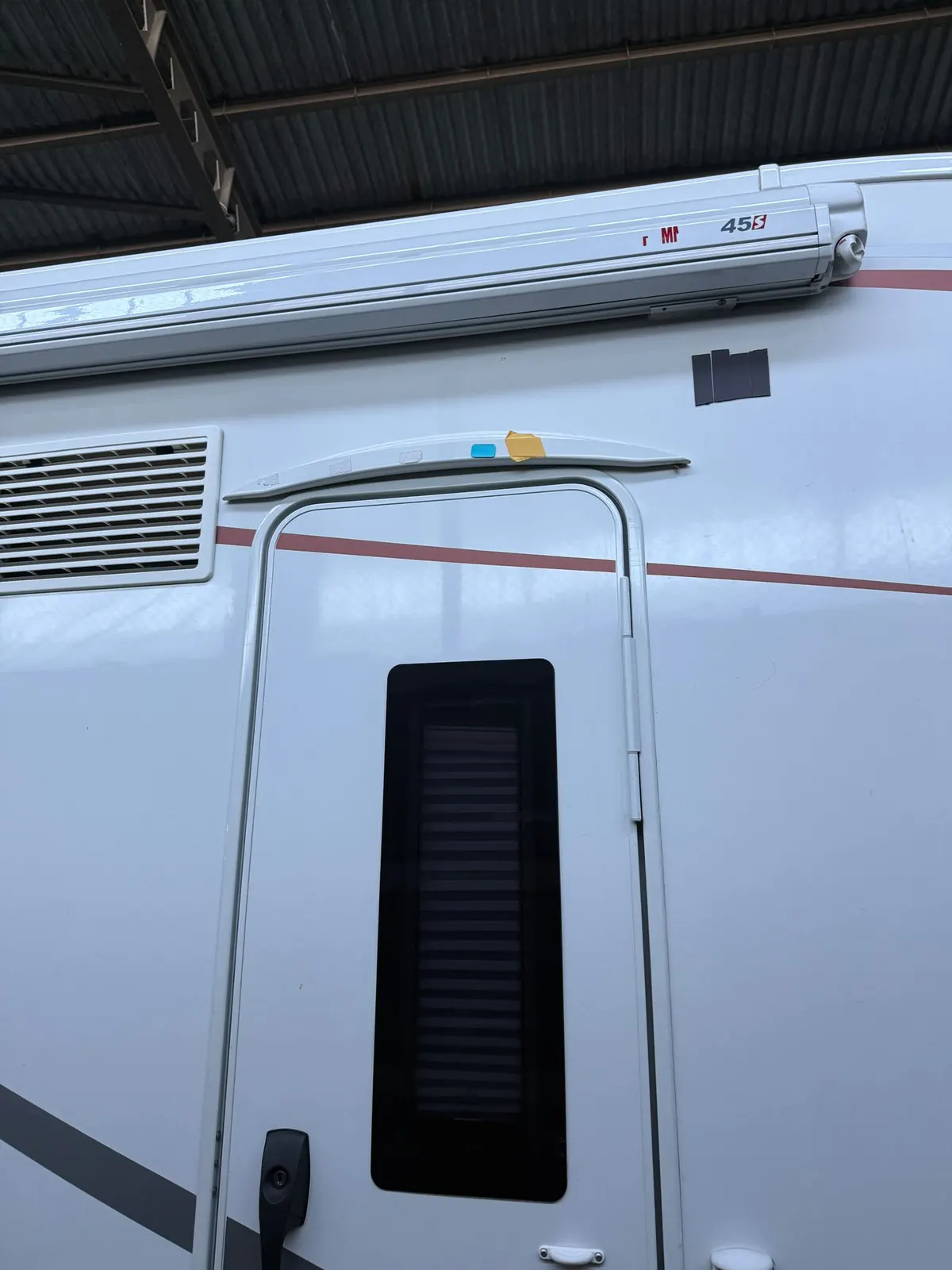
We check three areas at once: the chassis and mechanics, the 12 V system, and the sealing of the build. That last point is crucial in campervans — damp inside a wall can destroy the structure over years before it ever becomes visible.
- What does a campervan inspection cover?
- When should the pre-season inspection be done?
- What to watch for when buying a used campervan?
- How do you check the sealing of the build?
- How long does a campervan inspection take?

What we check
The inspection covers three areas — because a campervan is a vehicle and a home at once:
- Chassis and mechanics — engine, brakes, suspension, steering
- Tyres — condition, pressure and age (in campervans age matters more than mileage)
- Fluids and traces of leaks
- The 12 V system — batteries, charging, lighting
- Sealing of the build — moisture readings in the spots prone to leaks
- Exterior lighting and towing electrics
- Control unit memory — fault codes
When to have it done
There are three moments when a campervan inspection makes the most sense:
- Before the season — after winter storage, before you plan the first trip
- Before a long trip — especially before travelling abroad
- Before buying — before you pay for someone else’s problem
- After buying — to learn the real condition and plan the spending
- Before winterising — so spring doesn’t start with repairs
Pre-purchase campervan inspection
Campervans are expensive and their faults can be well hidden. When buying, we check what buyers usually overlook:
- Damp in the walls and floor — the costliest defect in campervans
- Traces of panel repairs and leaks around windows and hatches
- Chassis condition and corrosion — campervans often stand outdoors for years
- Tyre age and brake condition after long periods standing
- Whether the 12 V system and everything running off it works
- Fault history in the control units
What you get after the inspection
The point of an inspection isn’t a list of ticks but a decision: go, repair, or walk away from the purchase.
- A clear report on the campervan’s condition
- A split into “fix before the trip”, “keep an eye on it” and “fine”
- An estimate of the cost of the necessary repairs
- When buying — arguments for negotiating the price
- The option to have the repairs done here, without hunting for another workshop
Take care of your engine and... battery!
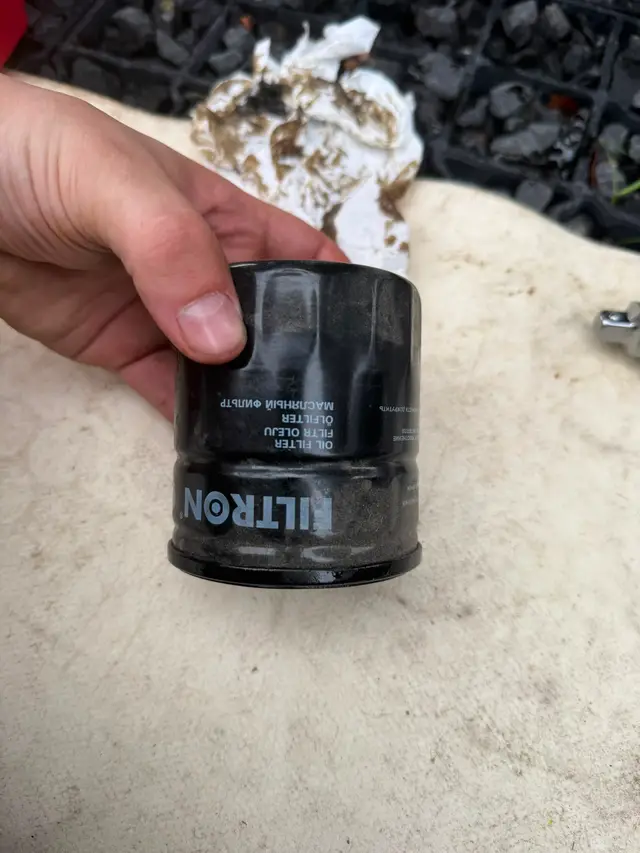
Every service we provide includes a free battery check. We don’t just change the oil and filters — we also make sure your car starts every time you need it.
FAQ — everything worth knowing about campervan inspections
Not everything has to be obvious — so we’ve prepared short answers to the questions we get asked most often. Quick, clear and to the point.
Usually an hour and a half to two hours, because we check the chassis, the electrics and the sealing. For a pre-purchase inspection allow extra time to go through the results.
By taking moisture readings in the places most exposed to leaks — around windows, hatches, in corners and near the floor — and by inspecting the seals. Damp in a wall gives no symptoms for a long time, and then destroys the structure.
No. The technical test at a testing station is a legal requirement. Our inspection checks the campervan’s actual condition — including the living area, which a testing station doesn’t assess at all.
Yes, it’s one of our more common visits. The simplest approach is to arrange with the seller to bring it to our workshop in Siechnice — an honest seller has no reason to refuse.
We can — mechanics, brakes, suspension and 12 V electrics are all done here. We always present the scope and a quote first, and the decision is yours.