The oil pressure warning light — what to do?
A red oil warning light is an alarm signal. Find out what to do immediately so you don’t seize the engine.

The oil pressure warning light — what to do?
7 min readThe red oil pressure warning light — a small oil can with a dripping drop — is one of the most alarming messages that can appear on your dashboard. Unlike most symbols, which merely warn you or remind you of something, this one signals a genuine, immediate threat to the life of your engine, measured in minutes and sometimes in seconds. When it comes on while you are driving, it is not a gentle suggestion to «drop by the workshop sometime»; it is an order to act right now. Dangerously low oil pressure means that oil stops reaching the bearings, the crankshaft and the other precisely mated parts, and within a fraction of a moment they begin to run dry, metal against metal. In this article we explain exactly what this light means, why it is an alarm signal rather than a reminder, what its most common causes are, and what to do step by step so you never end up with a seized, ruined engine that costs more to fix than the car is worth.
What does the oil pressure light actually mean?
To understand why this light frightens mechanics so much, you need to know how the lubrication system works. The oil in your engine does not sit passively in the sump — it is constantly forced under pressure by the oil pump to every moving part: the crankshaft bearings, the shells, the camshaft, and in many designs the tensioners and the variable valve timing system too. It is this pressure that keeps a thin film of oil between the metal surfaces, preventing them from ever touching. The oil pressure sensor monitors that value continuously, and the moment it drops below a safe threshold the computer instantly lights the red warning. In other words, this is not a warning that something might break in the future — it is information that lubrication is already failing right now, and every further turn of the engine deepens the damage.
It is worth stressing the difference between oil pressure and oil level. You can check the level yourself with the dipstick, which we describe in detail in our guide on how to check the oil level. Pressure, on the other hand, is a dynamic quantity produced by the running pump — and even with a seemingly correct reading on the dipstick it can be dangerously low if the pump fails or the oil has lost its properties.
Oil pressure light vs low-oil-level light — don't confuse them
This is one of the most common misunderstandings. Many drivers treat every oil-can symbol the same way, yet the difference is enormous. A yellow (amber) low-oil-level light is a gentle reminder: top up at the next opportunity, check the dipstick, consider topping up the oil. A red oil pressure light is an alarm — it comes on when lubrication is genuinely failing, and it demands that you stop here and now. Importantly, the red light does not always mean a lack of oil; it can point to a pump failure or another problem that a simple top-up will not solve.
- Yellow or amber colour — usually a low oil level, react at your next stop
- Red colour — a drop in oil pressure, react immediately
- You check the level with a dipstick on a cold engine; you cannot measure pressure with a dipstick
- A low level can often be fixed by topping up; low pressure usually needs a diagnosis
- The level light warns you in advance; the pressure light signals a critical state
What to do immediately when the pressure light comes on
- Don't panic, but act without delay — signal and begin pulling over to the side of the road
- Stop safely in a place where you won't endanger other road users
- Switch off the engine at once — every extra second of running without pressure destroys the bearings
- Wait a few minutes for the oil to drain back into the sump, then check the level with the dipstick
- If necessary, top up the oil to the correct level between the MIN and MAX marks
- Start the engine and watch the light — if it doesn't go out within one or two seconds, switch off immediately
- If the light stays on or you hear knocking, do not drive on — call for help or a mobile service
The key rule is simple: it is better to stand on the hard shoulder and call for help than to drive even a few hundred metres with the pressure light on. The cost of a tow truck is incomparably lower than the cost of replacing or rebuilding a seized engine. If the light went out after you added oil and the engine runs quietly, the cause was probably too low a level — but we still recommend having the lubrication system checked as soon as possible, because the symptom returns easily.
A red oil warning light is an order to stop immediately — running dry destroys an engine in a flash, and a seizure can happen faster than you could reach the nearest workshop.
The most common causes of a drop in oil pressure
There are several possible causes of low pressure, and they vary greatly in seriousness. Some can be cleared with simple servicing, others require major work on the engine. Here are the most common ones:
- Too low an oil level — the most common and easiest cause to fix, resulting from a leak or a neglected top-up
- Worn, old oil that has lost its viscosity and no longer holds pressure in a hot engine
- A failed oil pump — the pump does not generate the required pressure despite a correct level
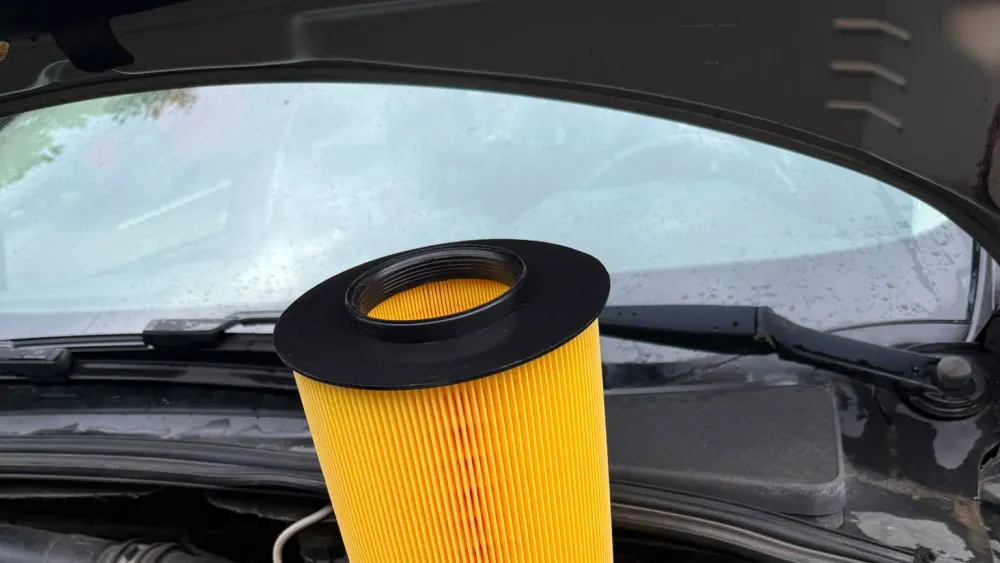
- A clogged oil filter that restricts flow and causes a pressure drop after the filter
- A faulty sensor or pressure line — the light is on despite correct lubrication
- Engine wear — worn bearings and increased clearances lower the pressure, especially when hot and at idle
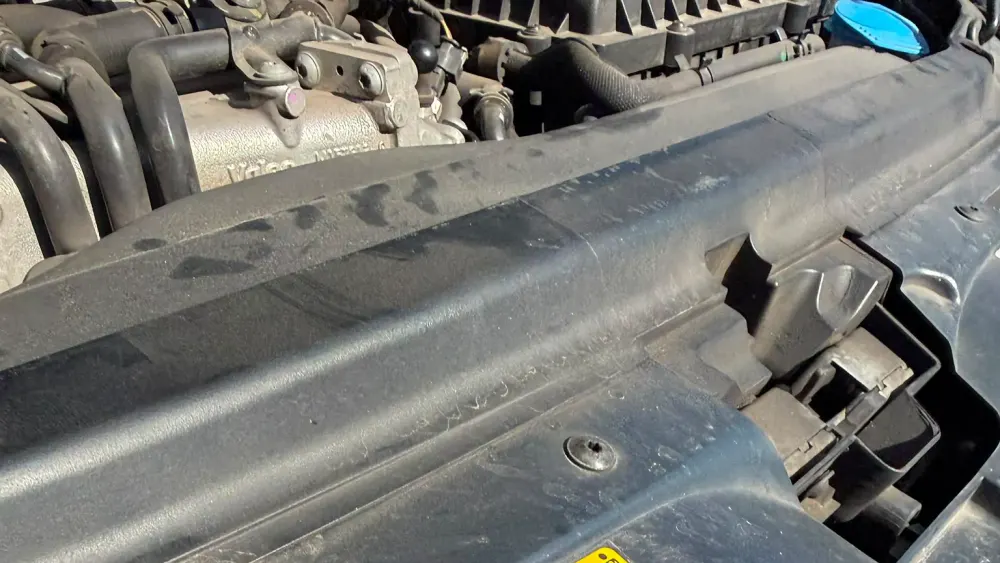
A very common scenario is one in which the oil level has fallen unnoticed through consumption or burning. If the engine takes oil between changes, the pressure can drop periodically, especially during hard acceleration or in corners. We write separately about why an engine burns oil and how to recognise the loss — it is worth knowing the symptoms before they lead to the red light coming on.
The second typical cause is a neglected change. Old oil thickens, collects deposits and loses its ability to hold pressure, while accumulated sludge can restrict flow in the oil galleries. We described the consequences of skipping oil changes in a separate article — a drop in pressure is one of the more dangerous of them, and one of the hardest to reverse once it appears.
What you must never do
- Don't ignore the light and «limp» home or to the workshop with the symbol lit
- Don't rev the engine hard hoping the light will go out on its own
- Don't tape over or remove the warning bulb just to stop it bothering you
- Don't pour in random oil of unknown specification «just for a moment»
- Don't assume upfront that it's only the sensor — until you're sure, treat the signal as real
Frequently asked questions
Can I drive a few kilometres to the workshop when the red light is on?
No. Driving with the red oil pressure light on risks seizing the engine within a few hundred metres. If the pressure really is missing, the bearings and crankshaft start working without lubrication and are destroyed within minutes. It is far safer to stop at once and call a tow truck or a mobile service than to risk a repair worth many times the cost of towing. This is one of those situations where hurrying costs the most.
The light went out after I added oil — is the problem solved?
If the cause was too low a level, a top-up may solve the problem temporarily and the light will go out. That is not the end of the matter, though — you need to find out why the oil disappeared. It could be a leak, oil burning, or a neglected change. Ignoring the source of the loss means the problem will return, and at the next drop in level the light will come on again, this time perhaps at a less convenient moment and with greater damage already done.
Can low pressure be caused solely by a faulty sensor?
Yes, it does happen that the light comes on despite correct pressure because the sensor or its wiring has failed. You must never assume this in advance, however. Until a mechanic measures the real pressure with a gauge, every lit symbol should be treated as a signal of a genuine threat. Getting it wrong the other way — assuming «it's only the sensor» when the pressure really is gone — ends in a seizure and the most expensive repair possible.
How often should I check the oil level to avoid this situation?
It is worth checking the oil level at least once a month and before every longer journey, on a cold engine parked on level ground. Regular checks let you catch a loss before it leads to a pressure drop. Older engines and units that consume oil need more attention — for them, checking the dipstick every two weeks is not overkill but a healthy habit that protects against a serious breakdown.
How much does ignoring the red light cost?
In the worst case it is the cost of replacing or completely rebuilding the engine — often an expense running into thousands, comparable to the value of an older car. By comparison, towing and diagnostics cost next to nothing. That is precisely why the red oil pressure light is one of those signals where there is no room for saving time or putting off your reaction until later.
If the light came on because of a low level or old, worn-out oil, the best solution is a fresh oil and filter change together with a check of the lubrication system. We'll come to the address you give, fit the correct oil for your engine and check where the drop in level came from. Book a convenient time before the problem comes back.
Related services
Need an oil change?
We’ll come to your address or pick up your car and handle the rest. No queues.